


Hi, I’m Comfort O.
an
Writer & Poet
Constructivist Educator
ESL/EFL Educator
My training across diverse academic environments has shaped my teaching philosophy around constructivist principles. I embrace constructivist teaching approaches because they honor each student's unique journey, allowing them to build understanding through exploration rather than passive reception. My passion lies in helping students bridge the gaps, whether in knowledge or language and empowering them to express their authentic ideas and creativity in ways that matter beyond the classroom.



What I Do
EFL/ESL Teaching
ESL Specialist | 10+ Years Experience
- Experiential, practice-focused methodology
- General Conversation | Academic English | English for Specific Professions
- Individual & group sessions
- Online & in-person options
- Proven track record of student success
Instructional Designer
Instructional Designer | 3+ Years Experience
- Expert in creating engaging, learner-centered courses and multimedia content using ADDIE and Bloom's Taxonomy
- Skilled in e-learning authoring tools and LMS platforms to deliver accessible, results-driven instruction
Academic Writing and Editing
Academic Writing & Editing Specialist | 3+ Years Experience
- Manuscript and thesis editing
- Research paper refinement
- APA and MLA style guides
- Structural and language editing
- Publication preparation support
Testimonial

Tarek
English Language StudentEasy Teaching Methods
July 21, 2024Comfort's teaching methods are clear and easy to follow.

Heba
English Language StudentGreat Teacher
July 21, 2024Comfort is truly one of the best teachers there is.

Sadan
English Language LearnerThank you
July 21, 2024حصة كانت أكثر من ممتازة، وتمت إضافة العديد من الكلمات والتعبيرات لي
My Blog


Meet the Language Where You Are, NOT Where You Are Not: Embracing Your Journey to English Fluency.
Hi, lovely learners!
Of course I’m advocating for English here—that’s no secret! But more importantly, this article is for you: my dedicated students across the globe who are navigating the journey toward fluency in academic and business English. You understand the opportunities it opens and the obstacles you face better than I ever could. I carry your struggles and aspirations with me, and that’s why I want to share this essential truth: “Meet the language where you are right now, not where you imagine you should be.”
I’m a little reluctant to use the term “unrealistic goals” because it suggests your aspirations are too big or unachievable—and I don’t believe in impossibilities. What we call “unrealistic goals” are often just misaligned with your current availability, resources, or level of focus and persistence. Your present reality might make a goal temporarily unrealistic, but never impossible.
Question: How do we overcome “unrealistic” language goals? Where do we start?
Answer: Let your language goals reflect your physical and emotional reality. You can’t escape these two factors, and you shouldn’t fake them if you want to get the most from your learning.
Let your language goals reflect your physical and emotional reality
Countless studies confirm what we instinctively know: our emotions and physical environments are deeply connected to what and how we learn. Your learning journey is emotional, so why pretend otherwise? Are you anxious about something? Carrying feelings that won’t go away? Upset or excited about work, life, or family? Nervous about a presentation, exam, or meeting new clients? Meet the language where you are!
I once worked with a student who had been digitally defrauded. We spent our session learning the exact vocabulary and expressions he needed to file formal complaints at the bank and police station. That’s real learning—immediate, relevant, and deeply personal.
A language syllabus means nothing if it doesn’t reflect your actual life, emotions, and language needs. So get REAL with your learning!
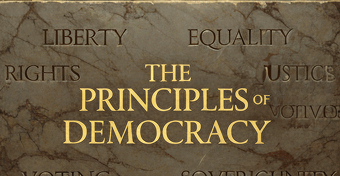
Social Studies Unit – “Democracy” (Student’s Handout)
Grade 11 & 12
Standard: Common Core New York State Social Studies Framework.
Module Focus: Democracy. The principles of democracy are reflected in the Constitution and the Bill of Rights and in the organization and actions of federal, state, and local government entities. The interpretation and application of democratic principles continue to evolve and be debated and will be examined in the context of the U.S. and Egypt.
Learning outcome 1: Understand – At the end of this lesson, students will be able to describe democracy by providing all the principles that can be associated with a democratic State.
Assessment method: Writing. Students will write at least 5 democratic principles in a graphic organizer.
Activity 1: Brainstorming (flip classroom)
Instruction: From home, watch the video and answer the following questions in brief.
1. State any 3 words or phrases that stood out to you in the video.
2. What can you conclude from the speaker’s statement “Regardless of the system, a country’s form of government is never set in stone.”
3. Do you think one form of government is better than the other? Explain why?
Video link: https://www.youtube.com/watch?v=LBFXD06fudM
Padlet link: https://padlet.com/oluwapelumidickson/social-studies-unit-s2aizhhvz58zo7bg/wish/2819179869
Activity 2: What is democracy?
| Democracy (Ancient Greece) |
|---|
| Democracy in ancient Greece served as one of the first forms of self-rule government in the ancient world. The system and ideas employed by the ancient Greeks had profound influences on how democracy developed, and its impact on the formation of the U.S. government. The ancient Greeks were the first to create a democracy. The word “democracy” comes from two Greek words that mean people (demos) and rule (kratos). Democracy is the idea that the citizens of a country should take an active role in the government of their country and manage it directly or through elected representatives. In addition, it supports the idea that the people can replace their government through peaceful transfers of power rather than violent uprising or revolution. Thus, a key part of democracy is that the people have a voice. The first known democracy in the world was in Athens. Athenian democracy developed around the fifth century B.C.E. The Greek idea of democracy was different from present-day democracy because, in Athens, all adult citizens were required to take an active part in the government. If they did not fulfill their duty they would be fined and sometimes marked with red paint. The Athenian definition of “citizens” was also different from modern-day citizens: only free men were considered citizens in Athens. Women, children, and slaves were not considered citizens and therefore could not vote. Each year 500 names were chosen from all the citizens of ancient Athens. Those 500 citizens had to actively serve in the government for one year. During that year, they were responsible for making new laws and controlled all parts of the political Social Studies Unit (Student’s Handout) process. When a new law was proposed, all the citizens of Athens had the opportunity to vote on it. To vote, citizens had to attend the assembly on the day the vote took place. This form of government is called direct democracy. The United States has a representative democracy. Representative democracy is a government in which citizens vote for representatives who create and change laws that govern the people rather than getting to vote directly on the laws themselves. |
| Reference: ● National Geographic Society. (2023, October 19). Democracy (Ancient Greece). National Geographic Society, from https://education.nationalgeographic.org/resource/democracy-ancient-greece/ |
a, Reading for gist
Instruction: read the headline and guess if questions 1-4 are TRUE/FALSE.
- The Americans were the first to create a democracy.T/F
- Democracy means people (demos) and rule (kratos). T/F
- Democracy supports the idea that the people can replace their government through violent uprisings or revolution. T/F
- Citizens/representative votes are important to creating and changing laws that govern the people. T/F
b, Reading for details
Instruction: Individually, read the passage again and search online to find information and other meanings for the words below
‘Citizens’______________________________________________________________________________
‘Representatives’ ________________________________________________________________________
‘Democracy’ ____________________________________________________________________________
‘Constitution’ ____________________________________________________________________________
c, In pairs, discuss and complete the table. Decide which actions can be described as democratic and undemocratic.
| Voting | Freedom | Trust | Justice |
| Dishonesty | Equity | Elected government | Censorship |
| Living in fear | Dictatorship | Respect for others | Violence |
| Responsibility | Bullying | Fair elections | No voting |
| Intolerance | Corruption in elections | Excluding people who are different | Discrimination |
| Democratic | Undemocratic |
Learning Outcome 2: (Apply) – At the end of this lesson, students will be able to interpret Citizens’ rights, Freedoms, and Duties in the U.S. and Egypt’s constitution through the lens of democratic principles.
Assessment method: Writing: Students will explain at least 5 constitutional articles in writing.
Activity 3: The U.S. and Egypt’s Constitution
Instructions:
a. From the unit handout, read and underline the action words/verbs in the constitution section assigned to your group. b. In group, discuss and rewrite the constitution in your own words
Reading 1
| The United States Bill of Rights (or First Ten Amendments) (1791) | Your interpretation |
|---|---|
| Group 1 1 . Congress is forbidden to pass any law setting up legislation or interfering with religious freedom or with free speech or with the right of people to get together peacefully and petition the government to have their grievances looked into. 2. The right of the people to keep and bear arms shall not be interfered with. 3. No soldier in time of peace shall be assigned to live in a private home without the consent of the owner, nor in time of war except in a lawful manner. 4. The people are protected against search and seizure without a warrant. 5. A grand jury is provided for in serious crimes. Persons are protected from being tried twice for the same offense, or from having to testify in criminal cases against themselves, or from being deprived of life, liberty, or property without lawful means. 6. A fair and speedy trial for the accused is guaranteed in criminal cases. 7. A jury trial is provided for in civil suits exceeding $20. 8. Very high bail, stiff fines, or cruel punishment are forbidden. 9. Just because certain rights of the people have been stated in the Constitution does not mean that they do not have still others not mentioned there. 10. All powers not given by the Constitution to the U.S. nor forbidden to the states are reserved to the states or to the people. | |
| Group 2 Later Amendments. 11. Forbids the citizens of another state or of a foreign country from suing a state in the U.S. courts (1798). 12. Provides that the electors should state on their ballots the person they want for President and the person for Vice President (1804). Social Studies Unit (Student’s Handout) 13. Forbids slavery and “involuntary servitude” (1865). 14. Forbids states from passing laws depriving any person of life, liberty, or property “without due process of law” or of not giving to each person the equal protection of the law (1868). 15. Forbids the U.S. or any state from preventing a person from voting because of “race, color, or previous condition of servitude” (1870). 16. Permits the income tax (1913). 17. Provides for the election of Senators by the people instead of by the state legislatures (1913). 18. Forbids the manufacture, sale, or shipment of intoxicating liquors (the Prohibition Amendment) (1919). 19. Gives women the right to vote (1920). 20. The term of the President ends on January 20. If the President-elect dies before the term begins, the Vice President-elect shall become President (1933).21. Repeals the 18th Amendment; once more allows the making and sale 10 of liquor (1933). 22. Bars any President from serving more than two terms. Where a Vice President has become President on the death of the President and has served more than two years of the President’s term, the Vice President shall not be allowed to run for more than one term in addition (1951). 23. Gives the District of Columbia three electoral votes for the election of President and Vice President (1961). 24. Section 1. Forbids the United States or any state to abridge or deny any citizens the right to vote for the President or Vice President or for any state representative in Congress because of failure to pay a poll or any other tax. Section 2. Gives Congress the power to enforce this article by appropriate legislation (1964). 25. Sets up a plan for the Vice President to take over the duties of the President when the latter is unable to perform them (1967). 26. Permits voting by eighteen-year-olds (1971). |
Reading 2:
| Egypt’s Constitution Part III: Public Rights, Freedoms & Duties | Your interpretation |
|---|---|
| Group 3 Article (52) – Torture in all forms and types is a crime that is not subject to prescription. Dignity is the right of every human being and may not be violated. The State shall respect and protect human dignity. Article (53) – All citizens are equal before the Law. They are equal in rights, freedoms and general duties, without discrimination based on religion, belief, sex, origin, race, color, language, disability, social class, political or geographic affiliation or any other reason. Discrimination and incitement of hatred is a crime punished by Law. The State shall take necessary measures to eliminate all forms of discrimination, and the Law shall regulate creating an independent commission for this purpose. Article (54) – Personal freedom is a natural right, shall be protected and may not be infringed upon. Except for the case of being caught in flagrante delicto, it is not permissible to arrest, search, detain, or restrict the freedom of anyone in any way except by virtue of a reasoned judicial order that was required in the context of an investigation. Every person whose freedom is restricted shall be immediately notified of the reasons therefore; shall be informed of his/her rights in writing; shall be immediately enabled to contact his/her relatives and lawyer; and shall be brought before the investigation authority within twenty-four (24) hours as of the time of restricting his/her freedom. Investigation may not start with the person unless his/her lawyer is present. A lawyer shall be seconded for persons who do not have one. Necessary assistance shall be rendered to people with a disability according to procedures prescribed by Law. Every person whose freedom is restricted, as well as others, shall have the right to file a grievance before the court against this action. A decision shall be made on such grievance within one (1) week as of the date of action; otherwise, the person must be immediately released. In all events, it is not permissible to present an accused for trial in crimes that may be punishable by imprisonment unless a lawyer is present by virtue of a power of attorney from the accused or by secondment by the court. Article (55) – Every person who is either arrested, detained, or whose freedom is restricted shall be treated in a manner that maintains his dignity. He/she may not be tortured, intimidated, coerced, or physically or morally harmed; and may not be seized or detained except in places designated for that purpose, which shall be adequate on human and health levels. The State shall cater to the needs of people with disability. Violating any of the aforementioned is a crime punished by Law. An accused has the right to remain silent. Every statement proved to be made by a detainee under any of the foregoing actions, or threat thereof, shall be disregarded and not be relied upon. Article (56) – A prison is a place of correction and rehabilitation. Prisons and places of detention shall be subject to judiciary supervision, where actions inconsistent with human dignity or which endanger human health shall be prohibited. The Law shall regulate the provisions of reform and rehabilitation of convicted persons and facilitate decent lives after their release. Social Studies Article (57) – The right to privacy may not be violated, shall be protected and may not be infringed upon. Postal, telegraphic and electronic correspondences, telephone calls, and other means of communication are inviolable, and their confidentiality is guaranteed. They may not be confiscated, revealed or monitored except by virtue of a reasoned judicial order, for a definite period, and only in the cases defined by Law. Article (58) – Privacy of homes is inviolable. Except for cases of danger or call for help, homes may not be entered, inspected, monitored or eavesdropped except by a reasoned judicial warrant specifying the place, the time and the purpose thereof. This is to be applied only in the cases and in the manner prescribed by Law. Upon entering or inspection, the residents of houses must be apprised and have access to the warrant issued in this regard. Article (59) – Everyone has the right to a safe life. The State shall provide security and reassurance for its citizens and all those residing in its territory. Article (60) – The human body is inviolable and any assault, deformation or mutilation committed against it shall be a crime punishable by Law. Organs trade shall be prohibited, and it is not permissible to perform any medical or scientific experiment thereon without a certified free consent according to established principles in medical sciences and as regulated by Law. Article (62) – Freedom of movement, residence and emigration shall be guaranteed. No citizen may be expelled from the State territory or prevented from returning thereto. No citizen may be prevented from leaving the State territory, placed under house arrest or prevented from residing in a certain place except by a reasoned judicial order for a specified period of time and in the cases as defined by the Law. Article (64) – Freedom of belief is absolute. The freedom of practicing religious rituals and establishing worship places for the followers of Abrahamic religions is a right regulated by Law. | |
| Group 4 Article (65) – Freedom of thought and opinion is guaranteed. Every person shall have the right to express his/her opinion verbally, in writing, through imagery, or by any other means of expression and publication. Article (66) – Freedom of scientific research is guaranteed. The State is committed to sponsoring researchers and inventors and to provide protection for and endeavoring to apply their innovations. Article (67) – Freedom of artistic and literary creativity is guaranteed. The State shall encourage arts and literature, sponsor creative artists and writers and protect their productions, and provide the means necessary for achieving this end. Article (70) – Freedom of the press, printing and paper, visual, audio and electronic publication is guaranteed. Every Egyptian – whether being natural or legal, public or private person – shall have the right to own and issue newspapers and establish visual, audio and digital media outlets. Newspapers may be issued once notification is given as regulated by Law. The Law shall regulate the procedures of establishing and owning visual and radio broadcast stations and online newspapers. Article (71) – It is prohibited to censor, confiscate, suspend or shut down Egyptian newspapers and media outlets in any way. By way of exception, they may be subject to limited censorship in times of war or general mobilization. Article (73) – Citizens shall have the right to organize public meetings, marches, demonstrations and all forms of peaceful protests, without carrying arms of any kind, by serving a notification as regulated by Law. The right to peaceful and private assembly is guaranteed without need for prior notification. Security forces may not attend, monitor or eavesdrop on such meetings. Article (74) – All citizens shall have the right to form political parties by notification as regulated by Law. No political activity may be practiced and 17 no political parties may be formed on the basis of religion or discrimination based on sex, or origin, or on sectarian basis or geographic location. No activity that is hostile to democratic principles, secretive, or of military or quasi-military nature may be practiced. Political parties may not be dissolved except by virtue of a court judgment. Article (75) – All citizens shall have the right to form non-governmental associations and foundations on a democratic basis, which shall acquire legal personality upon notification. Such associations and foundations shall have the right to practice their activities freely, and administrative agencies may not interfere in their affairs or dissolve them, or dissolve their boards of directors or boards of trustees save by a court judgment. Article (79) – Each citizen has the right to healthy and sufficient food and clean water. The State shall ensure food resources to all citizens. The State shall also ensure sustainable food sovereignty and maintain agricultural biological diversity and types of local plants in order to safeguard the rights of future generations. Article (80) – Anyone under the age of 18 shall be considered a child. Each child shall have the right to a name, identity documents, free compulsory 18 vaccination, health and family or alternative care, basic nutrition, safe shelter, religious education, and emotional and cognitive development. The State shall ensure the rights of children with disabilities, their rehabilitation and their integration in society. The State shall provide children with care and protection from all forms of violence, abuse, mistreatment and commercial and sexual exploitation. Every child shall be entitled to acquire early education in a childhood center until the age of six. It is prohibited to employ children before the age of completing their preparatory education (six years of primary and three years of preparatory) or in jobs that subject them to danger. | |
| Group 5. Article (81) – The State shall guarantee the health, economic, social, cultural, entertainment, sporting and educational rights of persons with disabilities and dwarves, strive to provide them with job opportunities, allocate a percentage of job opportunities to them, and adapt public facilities and their surrounding environment to their special needs. The State shall also ensure their exercise of all political rights and integration with other citizens in compliance with the principles of equality, justice and equal opportunities. Article (85) – Every individual shall have the right to address public authorities in writing and under his own signature. Public authorities may not 19 be addressed in the name of any group except for any entity having a legal personality. Article (86) – Protecting national security is a duty. The responsibility of all parties to uphold national security is guaranteed by the Law. Defending the nation and the protection of its land are an honor and a sacred duty. Military service is mandatory according to the Law. Article (89) – All forms of slavery, oppression, forced exploitation of human beings, sex trade, and other forms of human trafficking are prohibited and criminalized by Law. Article (91) – The State may grant political asylum to any foreigner persecuted for defending the interests of people, human rights, peace or justice. Article (92) – Inalienable rights and freedoms of citizens may not be suspended or reduced. No law regulating the exercise of rights and freedoms may restrict such rights and freedoms in a manner prejudicing the substance and the essence thereof. Article (93) – The State shall be bound by the international human rights agreements, covenants and conventions ratified by Egypt, and which shall have the force of law after publication in accordance with the prescribed conditions. |
References:
- Dine, M. (2022, September). The U. S. Constitution: Simplified. The Founding Project, from https://thefoundingproject.com/u-s-constitution-simplified/
- SSCHR. (n.d.). The Egyptian Constitution. Supreme Standing Committee For Human Rights, from https://sschr.gov.eg/en/the-egyptian-constitution/
Learning outcome (Analyze) – At the end of the lesson students will be able to compare and contrast the interpretation and application of democracy in the U.S. and Egypt context, providing 2-3 practical examples.
Assessment method: Oral presentation, provide at least 2-3 practical examples of differences and similarities between the U.S. and Egypt’s interpretation and application of democracy.
Activity 4: Asking questions
Instruction:
(a) In groups, use your interpretations from the previous activity above to brainstorm 12 questions in your graphic organizer.
| What | |
| When | |
| Why | |
| How |
(b) In groups, grade your questions using the following rubric and rate 3, 2, or 1.
| (3) | (2) | (1) |
|---|---|---|
| ● Factual questions. ● Questions are connected to the application of democracy in the U.S. or Egypt. ● Questions stay on topic and are relevant to professional experiences. ● Questions are clear and do not need further explanation. | ● Opinion questions. ● Questions are connected to the interpretation of democracy in the U.S. or Egypt. ● Questions stay on topic and are relevant to personal experiences. ● Questions are clear and do not need further explanation | ● Questions are all over the place. ● Questions are unconnected to democracy. ● Questions are unclear and would need further explanation. |
(c) Only choose the questions rated 2 and 3. Prepare and write out your selected interview questions.
1.
2.
3.
4.
5.
6.
7.
8.
Activity 5: Interviewing
Note: Each group is provided 2 short bios of prospective interviewees (ordinary citizens and judicial personnel) and allowed a Q&A session with the guest interviewees.
Instruction:
(a) Conduct a f2f or online field interview with the assigned interviewees. From your group, appoint one student to take notes.
Activity 6: Reflecting
Instruction:
(a) In groups, prepare and present an oral presentation answering the following.
- How is democracy in the U.S. and Egypt different? Provide 2 examples.
- How is democracy in the U.S. and Egypt similar? Provide 2 examples.
(b) Answer the following questions individually.
- What did you think democracy was before beginning this unit?
- What seems most important about what you have just learned?
- Do you think the information from your interviews was useful to understanding the subject? Why or why not?
**********************************************THE END*****************************************************
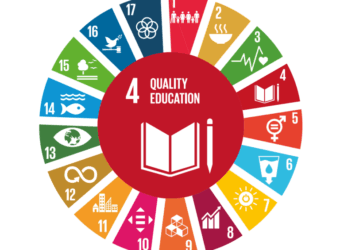
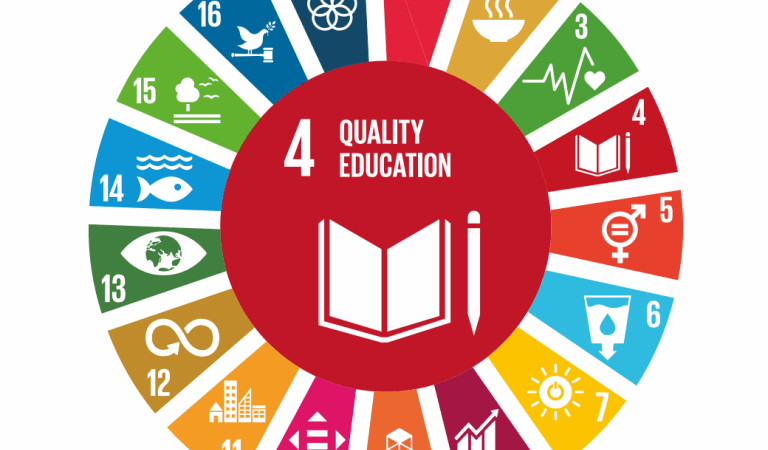
Education for Sustainable Development in Lebanon.
Introduction
At the 1972 Stockholm Conference and the 1992 Rio De Janeiro Conference, education (formal, public awareness, and training) was recognized as an important tool for tackling social, economic, and environmental problems in individual nation-states and for ensuring future social, economic, and environmental sustainability. This answer led to the development of the Global Action Program (GAP) in 2014, which aims to “generate and scale up action in education at all levels in order to accelerate progress toward sustainable development.” Its strategies are focused on “1) advancing policy; 2) transforming learning and training environments; 3) building capacities of educators and trainers; 4) empowering and mobilizing youth; and 5) accelerating sustainable solutions at the local level” (UNESCO, 2017).
Why ESD matter in Lebanon.
Before 2017, Lebanon’s national policy was in disarray due to political instability and disunity in the country. However, the government has tried to move the country forward with a vision that encompasses “Stabilization, Growth, and Employment” since wars have prevented the country’s economic growth, simultaneously impeding social development. Pushing toward the SDGs was developing a new national vision addressing the country’s social, economic, and environmental dimensions. The plan (NPMPLT) aimed at “country unity, balanced development, and rationalized resource use.” Although this plan was reported to have centered not on all the dimensions, subsequent national plans have since moved in the direction of putting social, economic, and environmental challenges on the country’s agenda and national discourse. For example, the “National Afforestation and Reforestation Program (2014), Marine Protected Areas Strategy (2012), National Strategy for Women in Lebanon (2012), and National Poverty Targeting Program (2011)” (Lebanon, 2018).
As part of the humanitarian and development crises in Lebanon, the impact of mines, cluster munitions, and explosive remnants of war, among others, has generated environmental and social problems for the Lebanese government that, if solved, will equally reduce inequality and social unrest caused by the rising poverty rate.
Furthermore, project planning and implementation under individual pillars is still the approach taken in Lebanon, as data reflects. The extent to which the three dimensions are put into consideration or integrated into planning is relatively unknown. However, some Lebanese NGOs, such as the Asfari Foundation, also known as the Lebanese Center for Active Citizenship, situated on the country’s northern side, use training and dialogue to educate citizens on being active and responsible citizens, tolerance, and respect for others. Their mission and operation focus is not explicitly within one dimension of ESD. LCAC has also collaborated on environmental project initiatives, as the next section of this paper will reflect.
A recent quantitative study conducted by Mekhael and Shayya (2018) on the knowledge, attitudes, and behaviors of 437 10th-grade students towards sustainable development in Lebanon indicated that first, knowledge and attitude on the three pillars were relatively high, but skills were low. Second, the presence of environmental clubs in schools became a significant factor in the knowledge acquisition of Lebanese social, economic, and environmental issues. In other words, students in schools who had environmental clubs and participated in club activities scored
significantly higher than students whose schools had no environmental clubs. Third, the study reported that students knew more about social and environmental dimensions than economic ones. In addition, the study further found among grade 10 students that although they have the
highest knowledge of environmental issues and the challenges of disunity, political unrest, and poverty in society, they were unable to link the issues to their health and human rights violations. Similarly, on the subject of changing the country’s energy system to a renewable source of energy, the study reveals that students are not aware of the importance of renewable energy nor its significance in slowing down global warming (Mekhael and Shayya, 2018).
As part of the humanitarian and development crises in Lebanon, the impact of mines, cluster munitions, and explosive remnants of war, among others, has generated environmental and social problems for the Lebanese government that, if solved, will equally reduce inequality and social unrest caused by the rising poverty rate.
The issue of land contamination in the Northeastern region of Lebanon came about as a consequence of war. Landmines, cluster munitions, and chemical explosions have made a large area of land unsuitable for agriculture or living. According to a UNDP 2019 study, this huge loss of land is robbing Lebanon’s economy of 600 million dollars in economic opportunity. The war in other countries and the influx of Syrian refugees necessitate curing the contaminated areas and will positively impact social and humanitarian sustainability in the country. As a social, economic, and environmental endeavor, in 2016, the Lebanon government began a clearing operation of a 118 km-long area – a project managed by the Lebanon Mine Action Center (LMAC). With funding from the EU and operation support from UNDP, LMAC is on its way to lessening the effect of contamination concerns and serving the country’s economic and social cause.
Although this is an ongoing project, some major achievements have been “declaring the Northern Governorate of Lebanon completely clear of mines; enablement of affected communities to socially and economically reintegrate into their communities; empowered and equipped affected communities to deal with the residual risk of mines through Explosive Ordinance Risk Education (EORE); transferred expertise to LMAC in order to support stability, security, and territorial cohesion.” Another important aspect of the project is its focus on promoting human rights, gender inclusivity, and the rights of people with disabilities (UNDP Lebanon, 2021).
Analysis
Although political instability, corruption, wars, and the Covid-19 pandemic have disrupted programs and movements in the direction of social, economic, and environmental sustainability, national and international will continue to steer the country back through education and actionable interventions. This section will explore a few educational and action programs/projects led and implemented by the Lebanon government, NGOs, schools, and international organizations.
Youth Environmental Clubs in Tripoli
An environmental project collaboration funded and executed by the Lebanese Center for Active Citizenship (LCAC), Development for People and Nature Association (DPNA), Utopia and Yours Association in the North, and the U.S. Embassy Beirut Local Grants Program brought together four private schools, four public schools, and five universities into active engagement to address environmental issues in Lebanon. Previously in 1996, Lebanon launched the environmental clubs initiative in schools and universities, which promoted environmental awareness and knowledge among students (Environmental Clubs Swap Green Ideas, 2006). In fact, Mekhael and Shayya’s (2018) study report attested to the impact of environmental clubs on students’ knowledge, attitude, and skills, reporting that students in schools without environmental clubs scored lower than those in schools with environmental clubs.
The ongoing environmental clubs’ program is then followed by events that encourage participating clubs to present ideas for tackling environmental issues in their region. One of those events was held in Tripoli with thirteen school clubs in attendance and presented ideal solutions on environmental subjects such as “nylon bags, green roofs, eco-tourism, promotion of alternative energy, filtering drinking water, and expansion of green spaces in schools.” Three of the environmental initiatives were supported to become projects that would be implemented in
Tripoli (Gaga & Cooper, 2022).
Environment Academy
Civic engagement and awareness initiative led by Impact Lebanon. Since 2019, impact Lebanon, a Lebanese NGO, joined with the AUB Nature Conservation Center (AUBNCC) to execute a project titled “Environment Academy.” The project is planned around community groups’ participation and long-term solution inputs for fixing Lebanon’s most urgent environmental issues, such as solid waste management, water contamination, air pollution, and the loss of green space. This project encourages local community teams to submit proposals and ideas. The chosen teams are then trained, and their ideas refined and implemented. The main objectives of this project are to (1) “build the capacity of community members in the process of finding solutions that solve the environmental challenges of the area, and (2) use a participatory approach to co-create and activate systematic and feasible environmental solutions (Impact Lebanon, 2019).
Informative Videos
Impact Lebanon is a Lebanese NGO that uses videos and other mediums to educate, stimulate and raise awareness in order to transform Lebanon. Because raising collective consciousness is pivotal to achieving active social, economic, and environmental participation, in 2018, Impact Lebanon used informative short videos posted on Facebook to educate and inform the public about Waste Management problem in Lebanon and the proposed Amnesty Law. The videos addressed national political recommendations and decisions that will negatively impact
the environment, the connection between the rising health problems and activities intoxicating the air, and individual responsibility and accountability. A seminar titled “Waste Management in Lebanon: From Crisis to Sustainable Future.” was organized for the following year (Impact Lebanon, 2018).
IGESP, the interfaculty graduate environmental sciences program of the American University of Beirut
The American University of Beirut is one of Lebanon’s private universities. The IGESP is an ongoing academic program run by the AUB. In 1997, an academic MA degree in Environmental science was launched. The degree opened to four major tracks: Environmental Technology, Ecosystem Management, Environmental Health, and Environmental Policy Planning. Students were taken into the programs from all fields and institutions. The program faculty and courses were selected from the Faculty of Agricultural and Food Sciences (FAFS), the Faculty of Arts and Sciences (FAS), the Faculty of Engineering and Architecture (FEA), the Faculty of Health Sciences (FHS), the Faculty of Medicine (FM) and the Olayan School of Business (OSB). Although the MA is generally related to the environment, IGESP embodies a multi-dimensional scope -policy, economics, health, medicine, arts, and agriculture – to prepare students to address global warming in Lebanon and beyond (AUB, n.d.).
Green Schools: “56 Schools in Lebanon are currently certified as Green Schools!”
Greens Schools is a MENA school certification program that aims to transform the Middle East & North African region schools into schools that promote environmental sustainability standards in “building measures, administration practices, and curriculum and students’ engagement.” This is an overall initiative that compels and supports K12 schools in Lebanon and the Middle East to adopt the paradigm of (environmental) sustainability into the physical structure, management, as well as curriculum of their schools. Further, schools are assessed, supported, and regularly rated according to these sustainability categories: waste, green spaces, energy efficient, water efficient, health and safety, sustainable education, and innovation (Green Schools, 2019).
CLIMA project in Bickfaya Schools in Lebanon: Awareness Campaign for Lebanese Students
Bickfaya is a town in the Matn District region of Mount Lebanon. The ongoing initiative is focused on raising students’ awareness of environmental-friendly agricultural practices such as “proper sorting and composting.” Students were taught and engaged in healthy composting techniques at the Bi sorting facility, where they practiced the procedures of reducing, reusing, and recycling. It was reported that the majority of the student had become familiar with the subjects and were curious to learn about the procedures. Students were given the opportunity to experience and learn hands-on. The program reported that the region was ahead of the rest of Lebanon, such that they operate an “independent waste management center and a door-to-door approach while collecting waste.” In addition, students were engaged in gardening and planting exercises- distributing vegetable seeds to replant surrounding lands around their school (ENICBCMED, 2022).
MYSEA – Mediterranean Youth, NEETs, and Women advancing Skills, Employment, and Awareness in the Blue and Green Economy in Lebanon
MYSEA is an ongoing project that focuses on local and national engagement. New job profiles are needed as a result of the increasing spread of environmentally friendly and sustainable developments in the waste management and agri-food industries. MYSEA project began in 2020 in Lebanon and sought to use sustainable agriculture and possible solutions to address economic and social problems in Lebanon. This is, in fact, relevant and useful given the high poverty rate and the huge gap between male and female participation in the labor force. As of 2021, only 20.7% of women contributed economically, and 64.3% were men. Balancing consumption and production is quintessential in a country with a high poverty rate. In other words, when production exceeds consumption, poverty declines. Along with educating youth and women about new opportunities around sustainable agriculture, the project is also training national and ministerial authorities in policy areas that affect Lebanon’s social, economic, and environmental development. The project’s overall goal is to reduce unemployment among youths and women through technical and vocational education, mentoring, and coaching, which is currently a major social problem in Lebanon (MYSEA, 2020).
Reflection
Although plagued by political unrest, Lebanon, in my view, has demonstrated its commitment to social, economic, and environmental sustainability ideals. In my research, the participation of NGOs, schools, citizens, and the nation’s current government is pronounced. The Lebanese government’s cooperation with international organizations is a testament that SD is not out of reach for the country. Although environmental initiatives seem to outweigh social and economic programs, each project harbors solutions for social and economic issues. Nevertheless, as indicated in Mekhael and Shayya’s (2018) study, there is a need to help Lebanese students connect social, economic, and environmental issues and impacts. Secondly, since environmental clubs significantly impact students’ knowledge, attitude, and behavior toward SD, it is crucial that all Lebanese schools adopt environmental clubs into their extracurriculars.
Finally, Egypt public and private schools have the opportunity to incorporate environmental clubs into their extracurricular. First, to impart knowledge and raise students’ awareness about social, economic, and environmental issues and their impacts locally, nationally, and internationally. Prominent Egyptian universities should invest in local schools’ services through training and knowledge-disseminating activities. To increase public awareness, Egyptian NGOs need to become more active. Using accessible mediums such as social media, radio, and television programs to inform and educate the general public about individual responsibility and engage communities to generate ways to solve local problems. All in all, the production and dissemination of information about social, economic, and environmental sustainability at all levels in the Egyptian society is important to changing attitudes, increasing individual and corporate participation and responsibility, and ensuring future sustainability.
References
- Addressing the humanitarian and development impact posed by mines, cluster munitions and explosive remnants of war. (n.d.). United Nations Development Programme. Retrieved October 22, 2022, from https://www.undp.org/lebanon/projects/addressing-humanitarian-and-development-impact-posed-mines-cluster-munitions-and-explosive-remnants-war
- AUB. (n.d.). Interfaculty Graduate Environmental Sciences Program (IGESP). Retrieved October 20, 2022, from http://www.aub.edu.lb/registrar/Documents/catalogue-graduate08-09/igesp.pdf
- ENICBCMED. (2022, March 2). Bickfaya schools go green, the new awareness campaign for Lebanese students by CLIMA. ENI CBC Med. Retrieved October 22, 2022, from https://www.enicbcmed.eu/bickfaya-schools-go-green-new-awareness-campaign-lebanese-students-clima
- Environmental clubs swap green ideas. (2006). 1stlebanon Web Site,business lebanon, tourism lebanon, trading lebanon, lebanon, liban. Retrieved October 17, 2022, from http://www.1stlebanon.net/lebanon-news/news.php?idactu=1044&debut=0
- Green Schools Annual Ceremony 2019 56 Schools in Lebanon are currently certified as Green Schools! (2019, June). Green Schools. Retrieved October 20, 2022, from https://www.greenschools.me/uploads/1/2/7/0/127079144/press_release_en_-ceremony 2019.pdf
- Gaga, L., & Cooper, B. (2022, January 17). ??? ??? – YouTube. Retrieved October 22, 2022, from https://ais.edu.lb/english/committees-and-clubs/clubs/environmental-club
- Impact Lebanon. (n.d.). Informative Videos. Impact Lebanon. Retrieved October 19, 2022, from https://www.impactlebanon.org/initiatives/informative-videos
- Impact Lebanon. (2019). Environment Academy. Impact Lebanon. Retrieved October 22, 2022, from https://www.impactlebanon.org/initiatives/environment-academy
- Lebanon. (2018, June 25). VOLUNTARY NATIONAL REVIEW (VNR) ON SUSTAINABLE DEVELOPMENT GOALS (SDGs). Sustainable Development Goals. Retrieved October 22, 2022, from https://sustainabledevelopment.un.org/content/documents/19624LebanonVNR2018.pdf
- MYSEA. (2020, October). MYSEA. ENI CBC Med. Retrieved October 21, 2022, from https://www.enicbcmed.eu/projects/mysea
- Mekhael, E. & Shayya, J. K. (2018). Measuring grade 10 students’ knowledge, skills, and attitudes of sustainable development. International Journal of Learning and Teaching.10(3), 269-291.
- UNDP Lebanon. (2021). Addressing the humanitarian and development impact posed by mines, cluster munitions and explosive remnants of war. United Nations Development Programme. Retrieved October 20, 2022, from https://www.undp.org/lebanon/projects/addressing-humanitarian-and-development-impact-posed-mines-cluster-munitions-and-explosive-remnants-war
- UNESCO. (2017, 2). UNESCO Global Action Programme on Education for Sustainable Development: information folder; 2017. GCED Clearinghouse. Retrieved October 22, 2022, from https://www.gcedclearinghouse.org/sites/default/files/resources/248081e.pdf
- Zurayk, R., El-Fadel, M. & Nuwayhid, I. (2010). The interfaculty graduate environmental sciences program of the American University of Beirut: an ESD initiative in the Arab World. Int Rev Educ 56, 299–314. https://doi.org/10.1007/s11159-010-9161-0
Connect With Me

Comfort O.
Education SpecialistI am available for consultation and coaching. Connect with me via the contact form or red sticky chat bubble.
Phone: +201150466038 Email: [email protected]